Category Archives: Uncategorized

Books: What We May Become

Redolent of The English Patient, Teresa Messineo’s What We May Become, is the story of Diana Bolsena, a US Army nurse, separated from her unit at the end of WW2 in Italy.

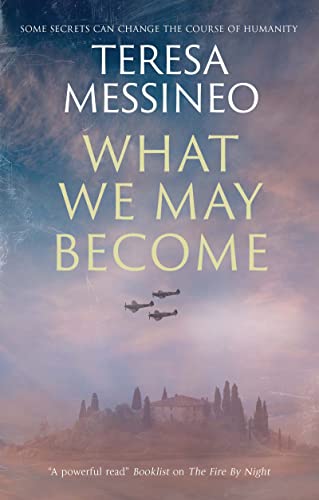
What We May Become by Teresa Messineo

While trying to reconnect with her Army unit and so continue nursing in the Pacific, Diana finds herself employed first in a small-time brothel and then on a Tuscan estate, employed by the wealthy and somewhat enigmatic owner, Signora Bugari. An ex-Nazi officer, Adler, arrives at the Estate and demands a hidden secret from Bugari. Bugari is clearly terrified of Adler who is aware that the estate was occupied and used by the Nazis and therefore still contains valuable secrets which he believes have great value. Diana is warned to stay away from Adler but she can’t help her curiosity. The story takes a dramatic turn before an Italian-American enters the story and races the plot on to an intense conclusion. 

The story is well-written, thoroughly and evocatively descriptive, generating Diana’s vivid dreams and recollections as well as painting a romantic landscape of post-WW2 Tuscany. The characters are mostly well-developed, albeit with mysterious, undertold pasts, as was likely the case in real life post-war Italy. 

I enjoyed reading the book, especially conjuring the romance of that setting, but also wondering about the realities of people trying to survive during WW2 Italy with its changing loyalties. I appreciated the debate about whether to make use of human research gathered during WW2: to benefit or not from human suffering. Mostly, I enjoyed the interplay between the characters and the setting.

Beans: The taste of coffee

Just as with red wine, cheese, whisky and almost everything else worth savouring, we can sometimes go a little overboard when discussing the flavours of coffee. I’ll try not to. 

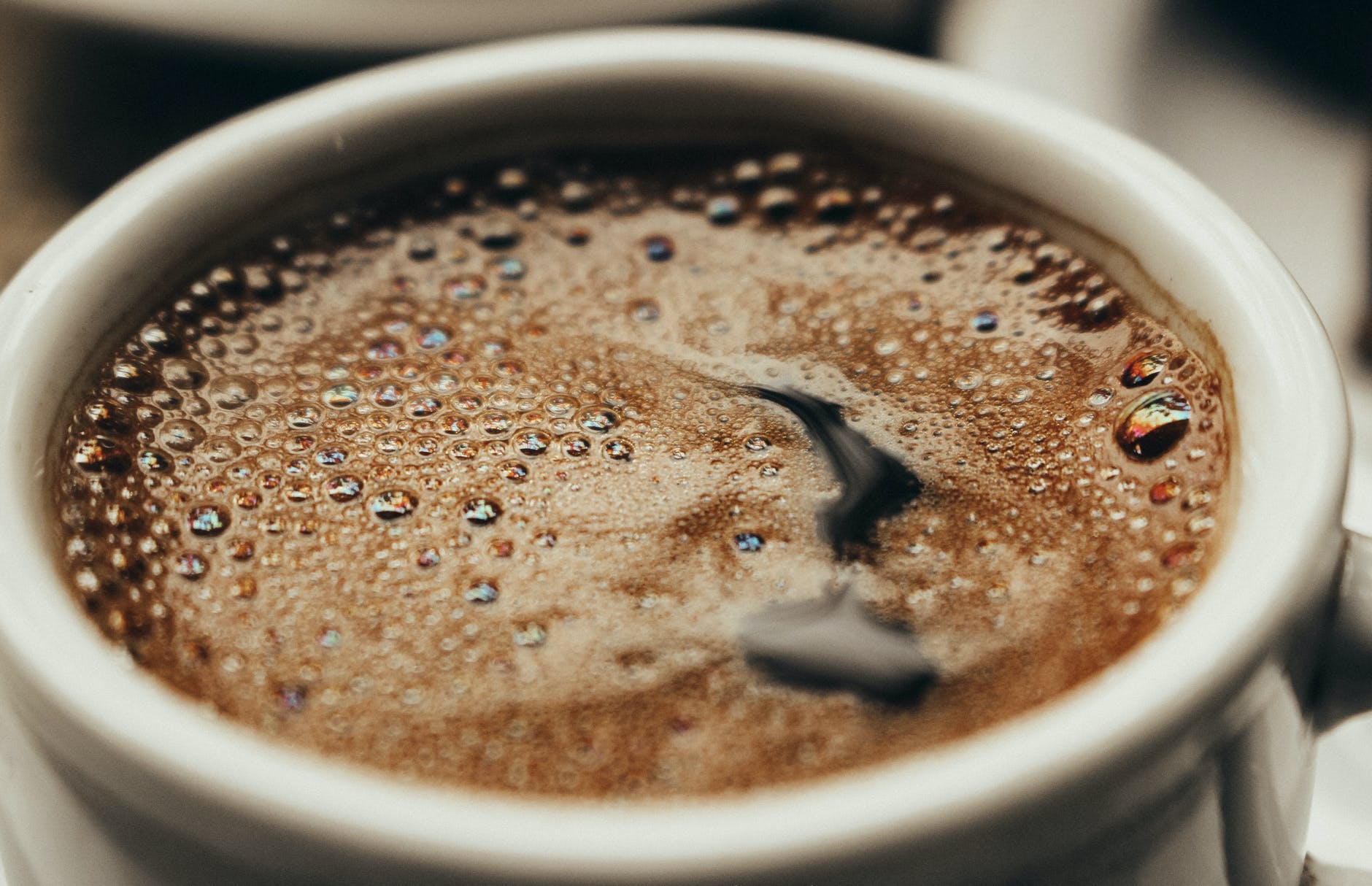
The taste of coffee can be described as combination of: flavour/aroma, sweetness, acidity, bitterness, and mouth-feel.

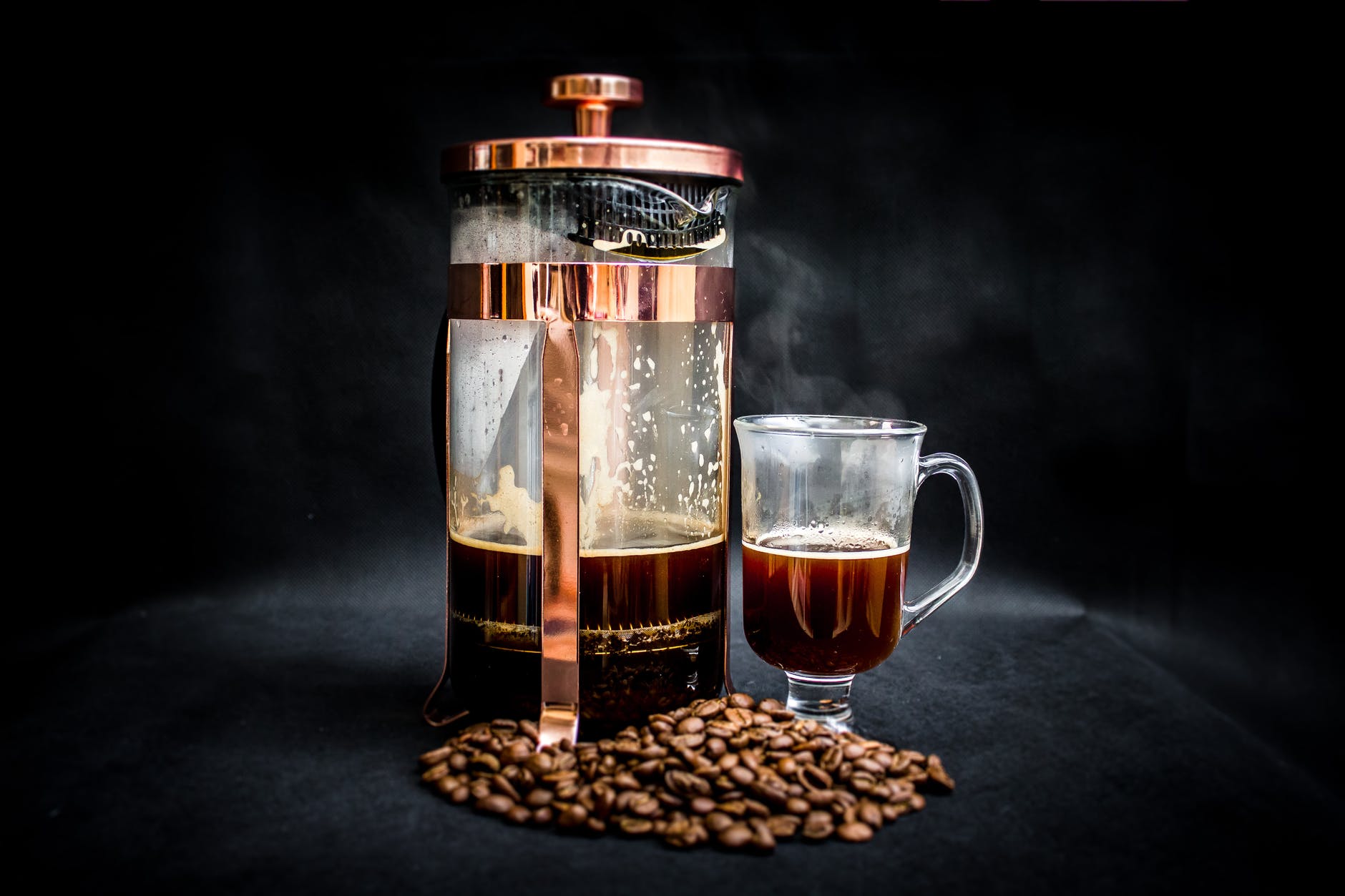
Photo by Di Bella Coffee on Pexels.com

Some biologists (and I) argue that mouth-feel can be considered an element of taste. Mouth-feel, or what some call the coffee’s texture, can be described as creamy, buttery, syrupy, thick, or even thin/watery. So while it may not be a taste, mouth-feel will affect how we interpret and perceive coffee as we drink it and so it will affect our judgement of the taste of a coffee being drunk.

Coffee’s flavour is detected by the tongue, which senses varying strengths of sweet, sour, bitter, salty and savoury. These elements of the final flavour are created during the roasting process when the raw coffee beans are heated to initiate the Maillard reaction, i.e. the caramelising of the sugars, which also accounts for the browning of roasted beans. Between 5 and 10% of a coffee bean is sugar and the highest sugar-level is achieved by harvesting the coffee beans when the coffee cherry (the bean is the seed inside the coffee cherry) is fully ripe.

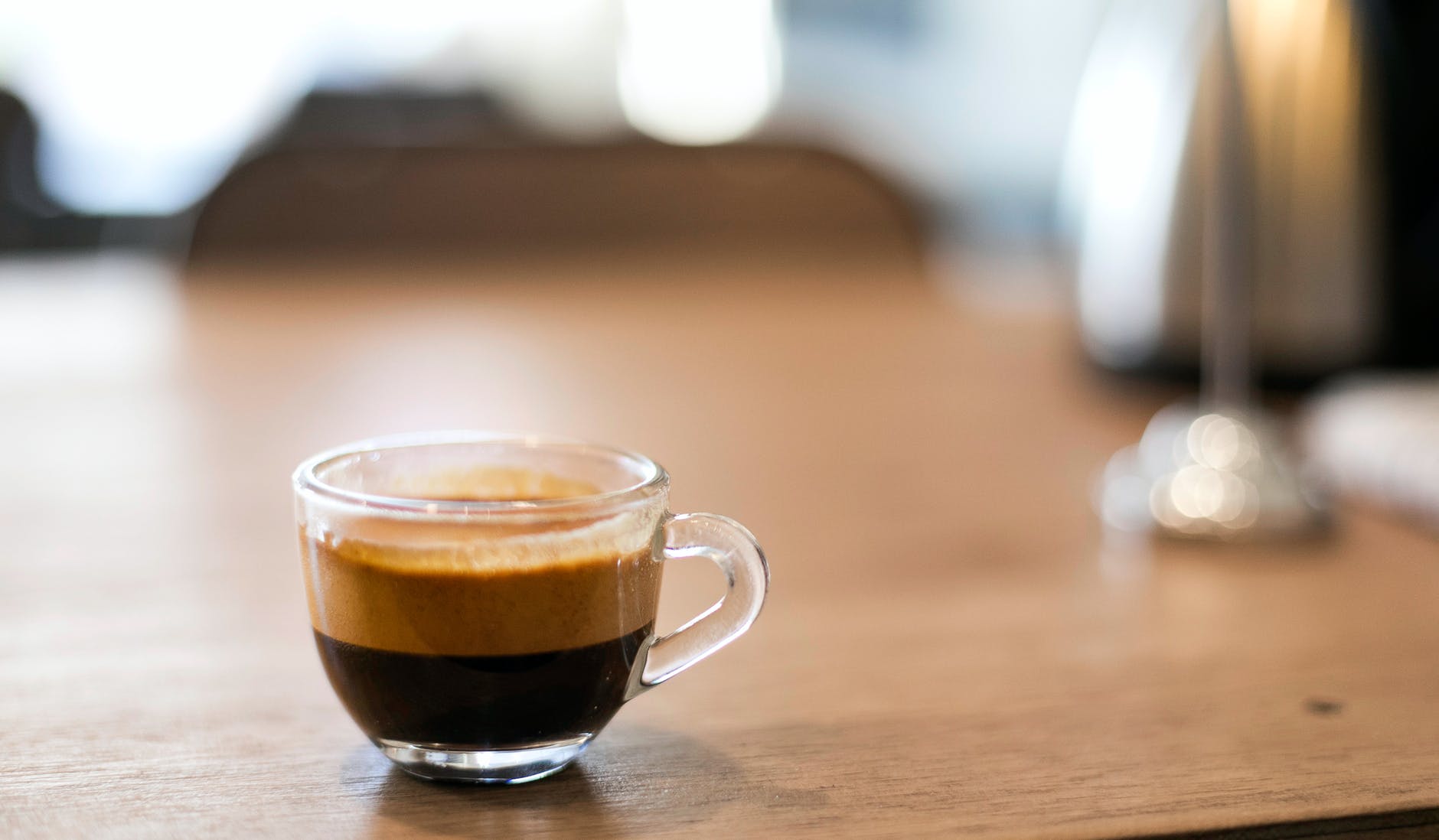
Photo by Bayawe Coffee Nomad on Pexels.com

There are three different acids in coffee which, together, give coffee its varying tastes of green apples, ripe grapes, or citrus fruits. The higher the altitude the coffee plant is grown at, the more acidic the coffee tastes. Brazilian coffee is grown at low altitude and therefore tends to be low in acid. The best of the Ethiopian beans are grown at high altitudes, i.e. around 2000 metres above sea level. The acid in these coffee beans is what generates what we often perceive or describe as freshness. Coffee’s acidic freshness balances its sweetness. 

There is some confusion between acidity and bitterness. Fresh, ripe pineapples, apples, lemons, oranges, grapes etc. taste pleasantly, refreshingly acidic. Consider apples and pears – both tend to have similar levels of sweetness, but apples have more acidity than pears, which explains why apples tend to have a richer, fresher taste profile than pears. Acidity in coffee gives a fresh, not a bitter, taste. Unripe fruit tastes bitter as do burnt/over-roasted coffee beans. Bitter coffee is likely made from robusta beans which are typically roasted to a much higher temperature, some might describe them as ‘burnt’. If coffee tastes bitter, we tend to want to add sugar.Good coffee is not bitter; it is sweet and acidic.

Good coffee is balanced. No one aspect should dominate the cup to a point that it becomes unpleasant and just as with cheese, whisky, and wine, what flavour suits one person may not suit another. One of the joys of coffee drinking is experiencing the many different flavours resulting from the many factors that make up each coffee’s flavour profile.

Photo by samer daboul on Pexels.com

Books: Yesterday’s Spy

Yesterday’s Spy by Tom Bradby​ is​ a fast-paced, well-written suspense-thriller.  

Yesterday’s Spy by Tom Bradby

Ex-spy and confidante of Winston Churchill, Harry Tower, learns his son, Sean, has gone missing in 1950s Iran after his article about government corruption is published.

Harry’s and Sean’s already-difficult relationship hadn’t receovered following the suicide of their wife/mother. Sean quits Cambridge and runs off to become a foreign correspondent. Harry blames himself for it all and mourns the loss of his wife and his son.

After learning of Sean’s disappearance, Harry flies into a troubled, chaotic and dangerous Tehran, teetering precariously on the edge of a coup. With the UK’s knowledge and support, the CIA is supporting the Iranian government’s overthrow to ensure the US and UK cash in on Iran’s oil. The KGB are involved, of course. The UK’s spies follow Harry to Iran, intent on exposing him as a longtime KGB double-agent. 

With the help of Shahnaz, Sean’s girlfriend and daughter of a senior Iranian army officer, Harry uncovers a secret arrangement among key players to profit from oil sales and this leads them to find Sean amid the chaos of the eventually successful coup. All that remains is to escape, but as this is a suspense, that’s where I stop and you start. Because if you like suspense-thrillers you must read this book.  

Bradby has plotted the story very tightly and so it’s a fast read. The characters are well-developed and their relationships feel real. The dialogue sounds authentic. An exotic setting sometimes dominates such books, but Bradbury doesn’t dwell much on the romanticism of Iran/ancient Persia (OK, just a little, but not too much). 

I enjoyed this book immensely for its intensity, its pace, the genuineness of its characters and their relationships, and for the masterfully constructed ending. 

Books: Two Ships

James P. Redwood’s Two Ships is a suspenseful adventure story centering on young Piotr Nowak who has fled his home in Europe and joined a crew sailing to Quebec City to make their fortune by trading for beaver furs in the New World. On another ship and in a parallel adventure, Jana Mueller, a novice nun, is traveling with another nun and two priests to establish the first Roman Catholic church in Quebec City.  Both ships cross the Atlantic around the same time. Jana’s ship is grounded while sheltering from bad weather near an island close to the mainland. Her crew and fellow passengers separate, some staying with the ship and some continuing their journey by rowboat to arrange a rescue mission. Both groups are attacked, some are killed and some live to continue on to their destination. Jana and her ship’s first mate are separated and begin a fraught, overland journey to Quebec City.

Two Ships by James P. Redwood

Shortly afterwards, Piotr’s ship diverts to the island and rescue’s Jana’s ship’s captain, the sole survivor of a raid by a pirating Swedish ship, before continuing on to Quebec City from where they begin their trading and beaver trapping enterprise. 

When Jana and 2 others are chased by unfriendly natives, Piotr and his friends happen upon and rescue them from the attack. And so the parallel stories collide. 

Meanwhile, the other nun and the two priests finally arrive in Quebec and set about building the church with the assistance of the local mafia boss who earlier lost a nasty encounter with Piotr’s group. As this is a suspense, I’ll leave my plot description there.

This is quite an adventure story, combining escape from old, warring, imperial Europe on sailing ships, overcoming adversity on land in the New World against the environment and against other people, pitching good against evil all the while building to a dramatic conclusion back in Quebec City.

The book is well-written and the plot’s tension rises and falls throughout. The parallel stories come together in a natural-feeling way and the conclusion is both suspenseful and satisfying. The primary characters are well-developed, with genuine-feeling back stories and motivations. Reading the adventure I was easily able to cheer for clearly-identifiable good people and hope for the worst for the bad ones. There were sufficient and accurate technical details to make the sailing sections and the adversities of trading and traveling in the New World around Quebec feel real. 

This book was a much needed escape from the modern world of smartphones and the internet. It was a story about courage, human endeavour, right and wrong, endurance, practicalities, and in the end, triumph over adversities and enemies.  

Books: The Partisan

Patrick Worrall’s The Partisan is a highly-recommended, fast and twisting read spanning the 1940s and the 1960s in Britain, USSR, Germany, Lithuania, and Spain.

Michael, just out of high school and just-admitted to Oxford, is selected for a chess tournament in which a high-ranking USSR official’s daughter, Yulia, is also competing. This sets up a problematic romance that plays out across the Iron Curtain. Yulia’s father has apparently defected and her and Michael’s romance is made use of by both sides of the Cold War to track down the defector.

A parallel story is told in which Greta, a Lithuanian freedom fighter/partisan who protected two Jewish friends by living in the Lithuanian forest as the Nazi occupation was replaced by the Soviet occupation. The story of how they first fled into the forest, avoided detection, and then went onto the attack was a compelling read and is a chapter of WW2 and the Cold war that isn’t told often enough. 

There is an interesting sub-story in which one of the USSR official recalls his time fighting in the Spanish Civil War, helping to set the scene for the book’s climax.

Greta’s life and missions since the end of WW2 involve tracking down ex-Nazis and exacting revenge for their war crimes. And revenge for the deaths of her two Jewsih friends, killed in the last days of WW2. Greta’s primary target is now a high-ranking official in the USSR machine and so the two stories collide with deadly effect when Yulia and Michael meet in Spain in an effort to meet Yulia’s father. Greta is also there to meet the last of her targets. The suspense builds to a crescendo in a cafe in Spain.

I enjoyed the book. It was well-paced, the characters felt real and their dialogue felt authentic. I’d have liked to have read more about chess strategies and how they can be/were converted into strategies for the characters’ real lives. The book was well-written and so it easy to read and to keep track of the characters, their interactions and the various plot lines. Perhaps more could have been written to develop the settings.  I certainly recommend the book to readers interested in intrigue, WW2/Cold War, and suspense.   

Lingering notes: I read this during the first few days of the Russian invasion of Ukraine with the obvious undertones of USSR reunification. As The Partisan is somewhat centred on the issue of the Soviets’ ‘mistreatment’ of Lithuanians and also one person’s mission to right the wrong of war crimes, I couldn’t help thinking that these two plot lines would’ve been better told in separate books. Each story would’ve made an excellent read on its own. Combining them seemed contrived and unnecessarily complicated this one story. I still highly recommend it though.